
Our Origins
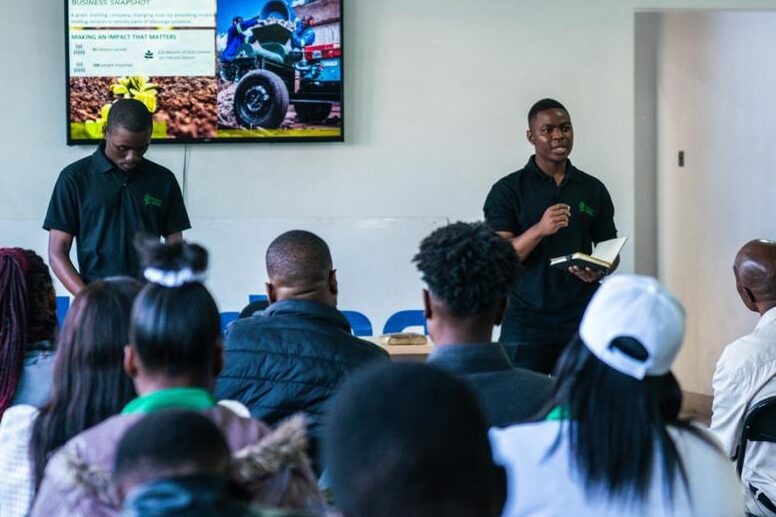
Munda was founded in response to the realities faced by smallholder farmers in Zimbabwe’s lowveld. Growing up in farming communities, our leadership witnessed firsthand how farmers worked tirelessly yet lost much of their harvest due to manual processing, limited access to machinery, and unstable markets.
These losses affected food security, household income, education opportunities, and long-term resilience.
The Problem
Post-harvest losses remain one of the biggest hidden challenges in African agriculture. Without proper equipment and systems, farmers lose quality, volume, and bargaining power. Climate change increases these risks further.
Inefficient Post-Harvest Systems
- 30–40% of harvest lost
- Poor grain quality and spoilage
- High labor burden and slow processing
- Reduced food availability
Limited Access to Equipment and Capital
- Dependence on manual labor
- Low productivity and scale
- Inability to modernize operations
- Missed income opportunities
Climate Vulnerability and Market Instability
- Income volatility
- Food insecurity
- Reduced resilience to shocks
- Forced distress selling
Why Munda Exists?
Munda exists to ensure that farmers keep more of what they grow, earn fair value, and build sustainable livelihoods. We believe agriculture should be dignified, profitable, and environmentally responsible.

Practical, Durable Farm Machinery
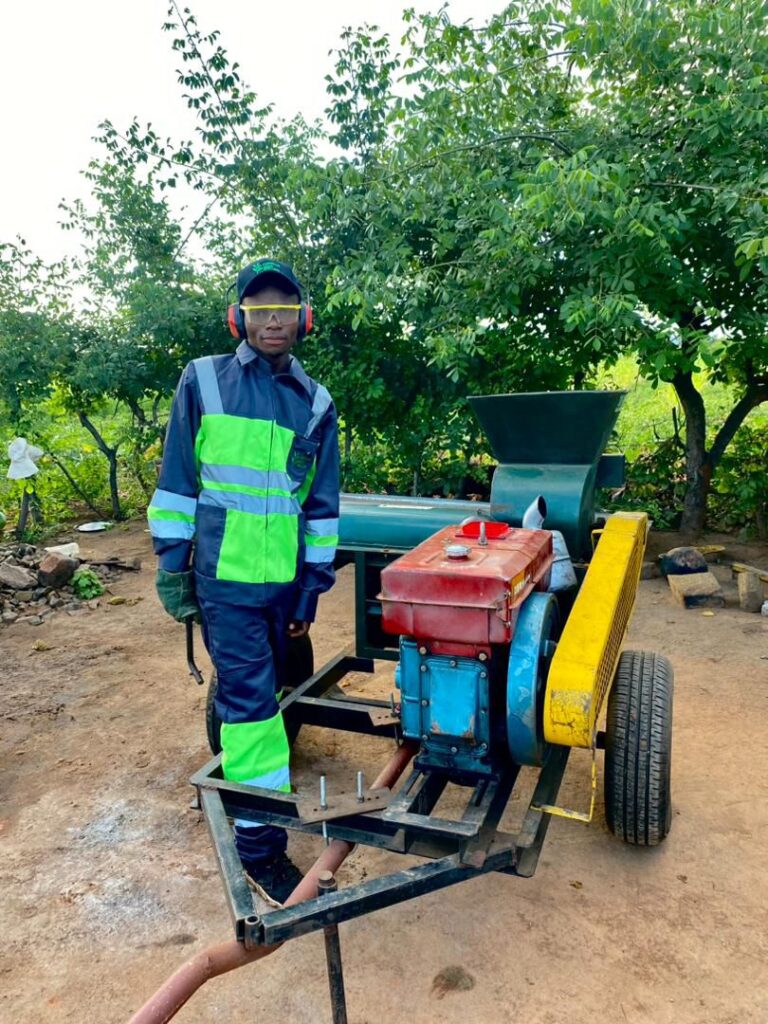
Engineered to withstand local conditions, our equipment boosts efficiency and reduces labor for smallholder farmers.

Accessible Financing Solutions
Flexible payment plans and credit options make essential tools affordable, empowering farmers to invest confidently.

Post-Harvest Loss Reduction
Innovative technology and training help farmers preserve their crops, increasing profitability and food security.
Our Mission
To empower farmers with practical machinery, accessible financing, and innovation that strengthens productivity, reduces losses, and builds resilient farming communities.
Our Vision
A future where every farmer has access to the tools, knowledge, and markets needed to thrive sustainably.